
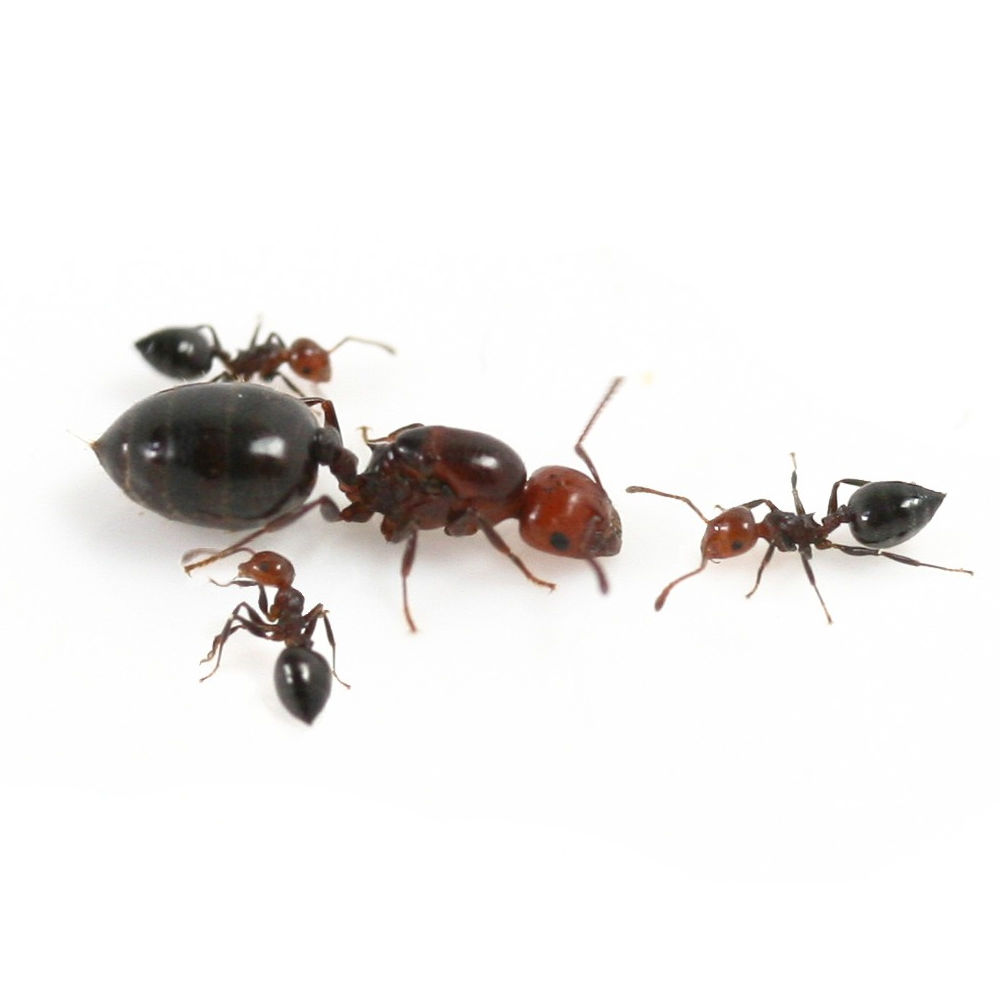

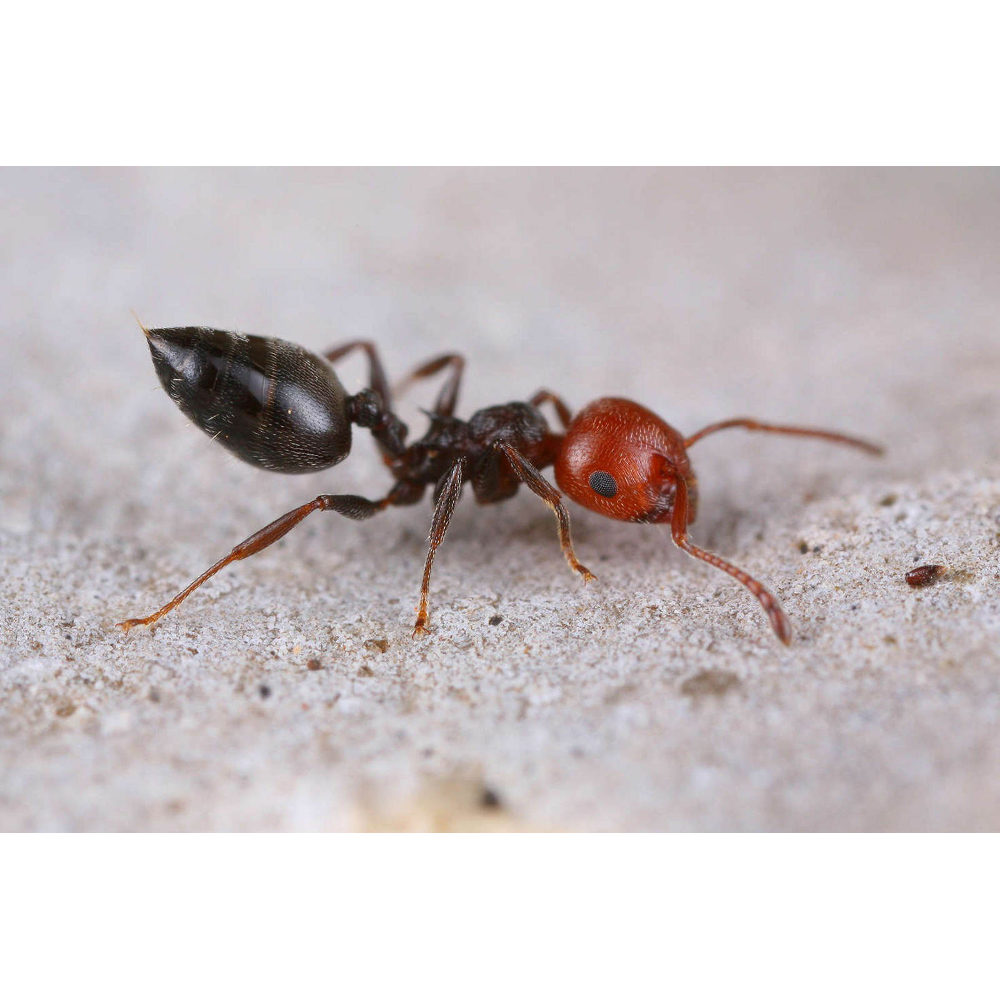
Crematogaster scutellaris Colony with Queen and Workers
Very unique species: heavy laying, very low humidity requirement, secretes a defensive substance, breeds aphids… Crematogaster scutellaris is an interesting ant to observe and easy to feed. She lives ideally in a wooden or cork nest.
Description
Fourmiculture Charter :
1. Breeding approved by Veterinary Services, carried out by a specialist under certificate of capacity,
2. Guide to the Perfect Antculturist offered and health sheet provided,
3. Ants guaranteed without parasites,
4. Health demonstrated by the laying of the queen and the presence of brood during shipping,
5. No “boost” (addition of brood or external workers to sell the colonies more quickly),
6. Guaranteed delivery in good health: partial reimbursement in the event of loss of workers, total reimbursement in the event of loss of the queen (if delivered within 48 hours),
7. Shipping possible from -12°C to +40°C thanks to our optional insulated packaging,
8. Species present in France, non-invasive and not threatened,
9. Colony taken back and costs covered if you wish to part with it (see conditions).
_____________________________________________________________________________________
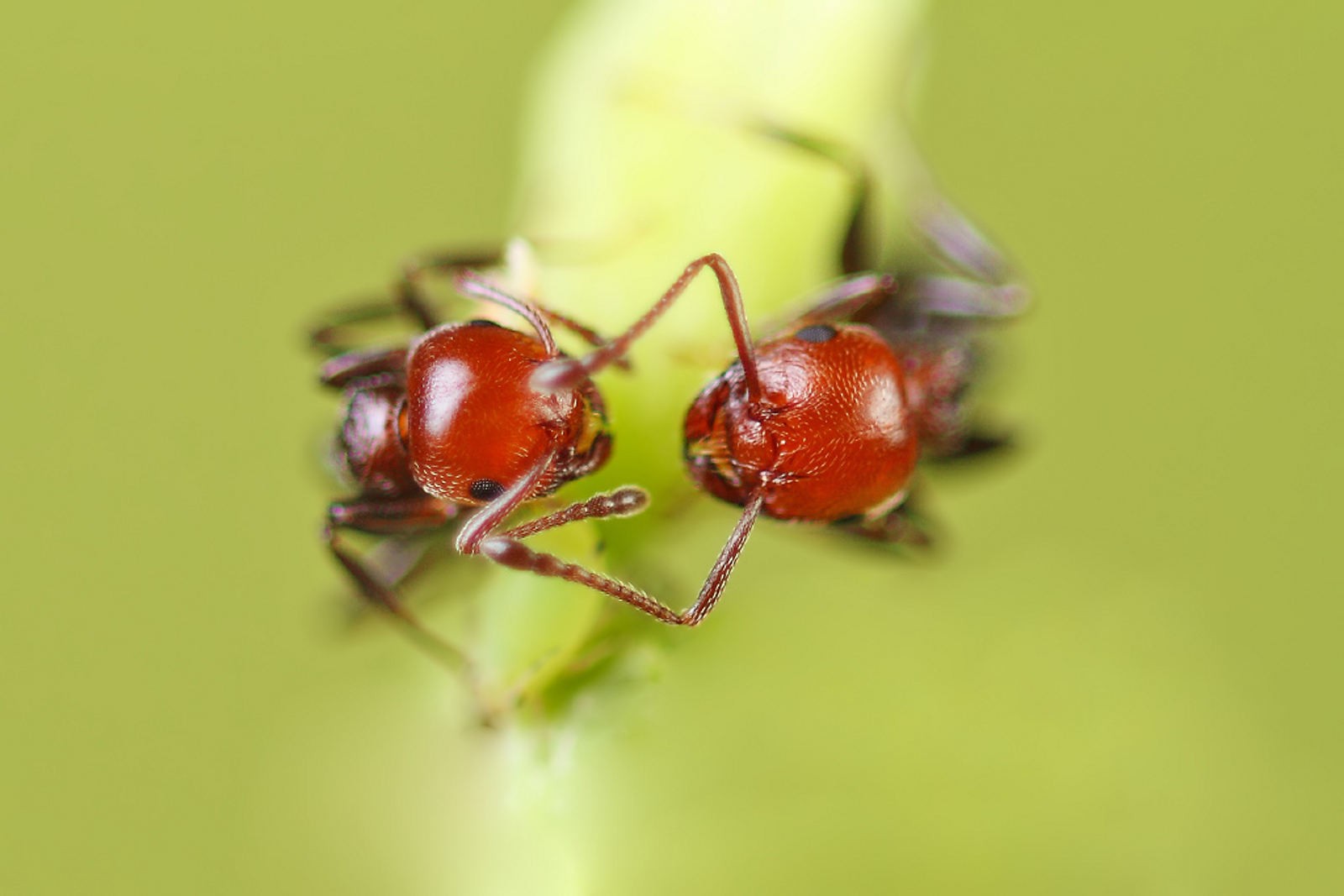
This species also has different peculiarities. It has a particular sting but cannot sting. In case of panic, it erects its abdomen and secretes a drop of defensive substance, held at the top of its sting, in order to alert its congeners.
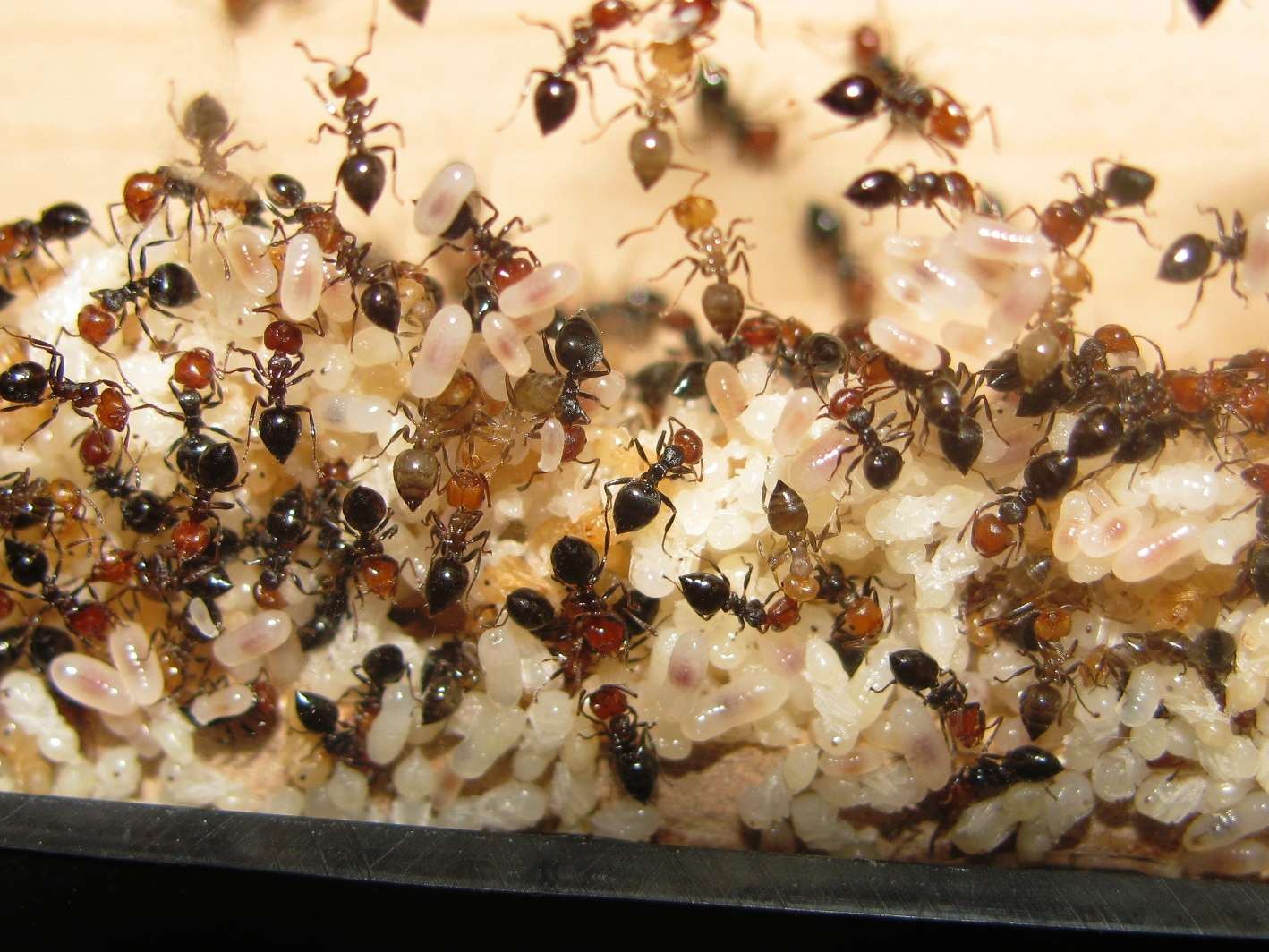
Crematogaster scutellaris develops slowly at first but once launched, the brood (nymphs in particular) takes an impressive place in the colony and it begins to grow rapidly, as evidenced by the last photo in our gallery. It takes about 45 days to grow from egg to adult worker.
In the wild, this species from the south of France is found in nests dug in the wood, but its ability to live almost without humidity means that it can be found in many supports. It develops particularly well in a wooden nest or cork nest, but adapts to our classic nests. A trough is recommended to compensate for any lack of humidity, because no species can live in the total absence of humidity. Don't forget to add some humidity to the nest as well.
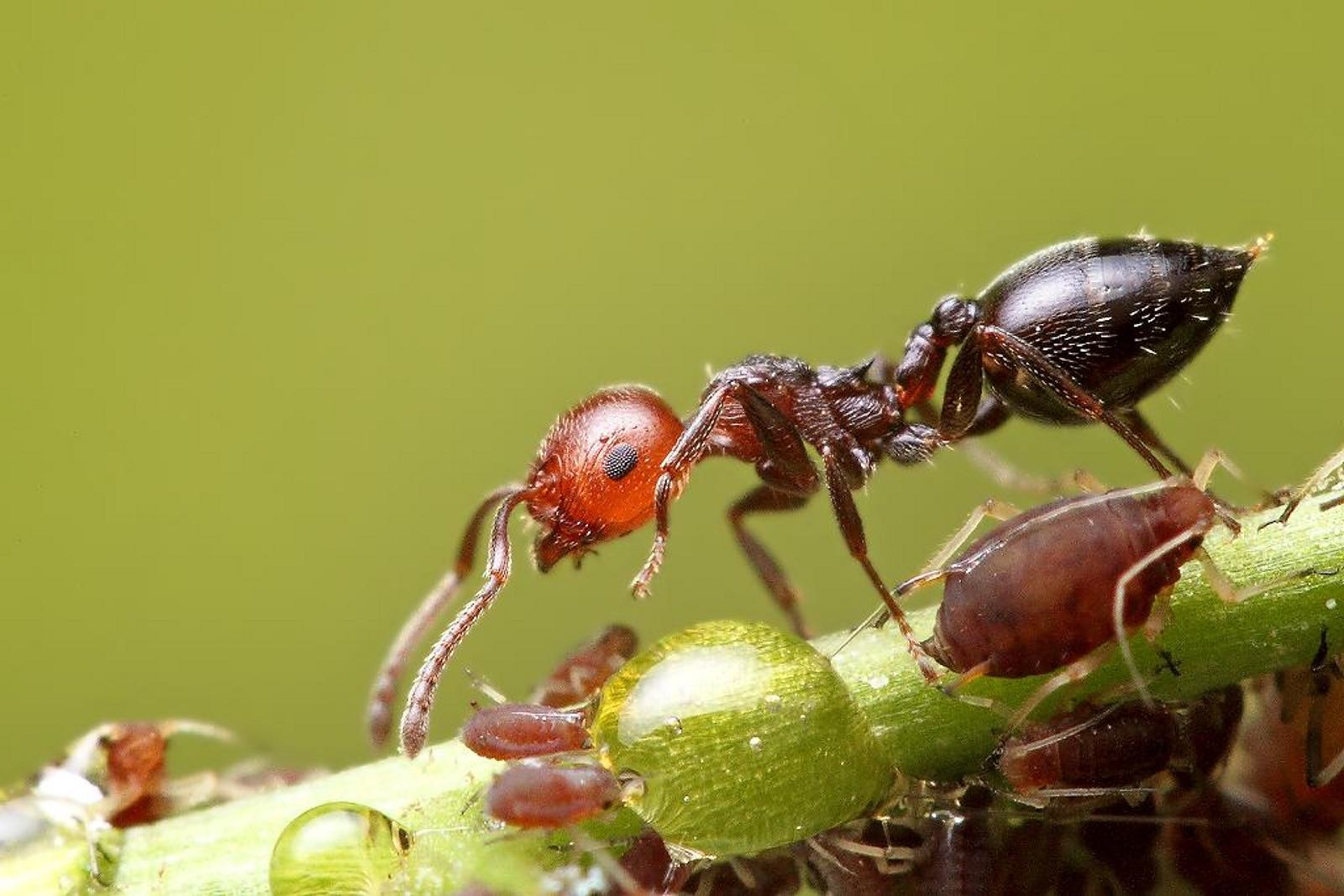
Crematogaster scutellaris is also very fond of sugar and raises large colonies of aphids in order to supply most of its food needs, the honeydew being rich in protein and carbohydrate. This is why you can feed it sweet liquids such as honey milk (note that the use of organic products is extremely important). Our Universal Sweet Protein Powder will however be more balanced.
Crematogaster scutellaris will also appreciate small live insects or given at room temperature after 3 days in the freezer, as well as various solid foods: meat, fish, jellies, etc. These foods will be stored in the anthill in small pieces.
Breeding sheet Crematogaster scutellaris:
| Latin name: |  |
Crematogaster scutellaris |
| Not common: |  |
Cocktail ant in English-speaking countries (cocktail ant) |
| Taxonomy: |  |
Subfamily: Myrmicinae Genus: Crematogastrini |
| Difficulty |  |
(2) Easy, fast development, low humidity requirements |
| Distribution: |  |
Southern Europe, Africa |
| Natural habitat : |  |
Pine forests, houses, trees |
| Polygyny: |  |
No, monogynous, 1 queen per colony |
| Queen : |  |
Size: 7 – 9mm Colour: black with red head |
| Workers: |  |
Size: 3 – 4mm Colour: black with red head |
| Soldiers: |  |
None |
| Males: |  |
Size: 3 – 4mm Colour: black. Winged. |
| Feed : |  |
Sugar water and insects, honeydew, biscuit crumbs, ham, meat, tuna etc. |
| Humidity : |  |
Hunting area: Low. Nest: Low (10 to 30% of the surface approximately) |
| Temperature : |  |
Hunting area: 21 – 28°C Nest: 21°C minimum, develops well at 27, even 29°C on one part of the nest. |
| Diapause: |  |
Yes, 2 to 3 months recommended around 10 to 15°C. Do not let the nest dry out. Feed before wintering and possibly during. |
| Type of natural nest: |  |
Builds its nest in trees, dead wood, sandy soils |
| Type of artificial anthill: |  |
Preferably cork or wood. Otherwise, any type of low humidity nest. |
| Nest size: |  |
Start small, related to the colony. |
| Substrate: |  |
Wood, cork, special soil |
| Plants: |  |
Appreciates plant nectar. Avoid the soil in the hunting area. |
| Decoration: |  |
Dead wood, rocks, sand. Watch out for pests and mold. |
| Summary : |  |
Crematogaster scutellaris is a small species from southern Europe that builds its nest with a mixture of chewed wood like wasps, and also adapts to existing cavities. They are the main predator of the wasp Blastophaga psenes. |
| Growth : |  |
Swarming: August to October. August to October Foundation: monastic (without feeding) Maximum size: Several thousand workers |
| Quantity on sale: |  |
1 queen guaranteed fertilized + brood and workers according to option. |
Credits: Photos (Copyright) Antstore, Nikola Rahmé, Raulbaena, fill979, McKillaboy
Further information
| Weight | 0.1kg |
|---|---|
| Number of workers | |
| Young colony feeding area | Tube + Plexi feeding area, Tube with ants only |