
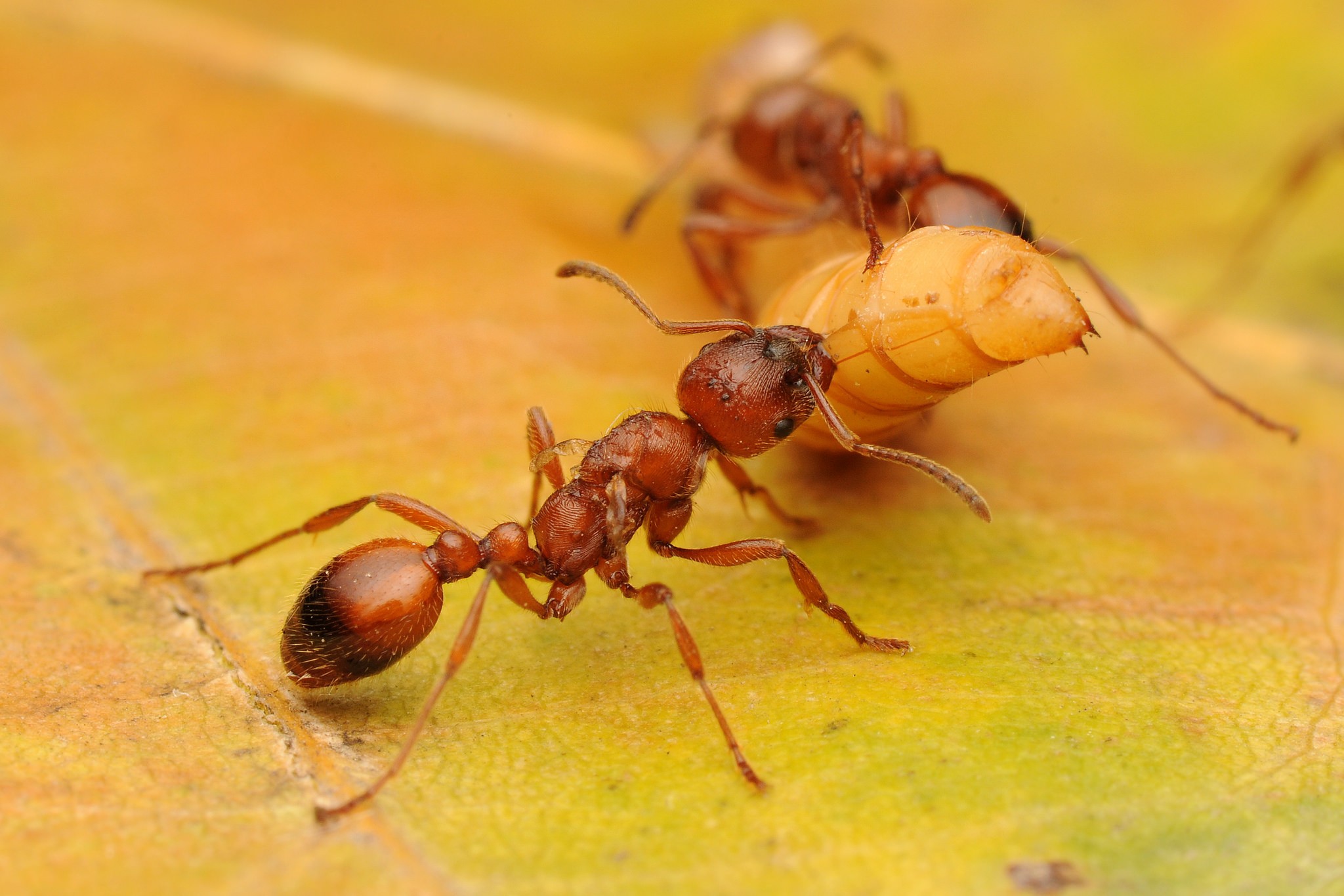
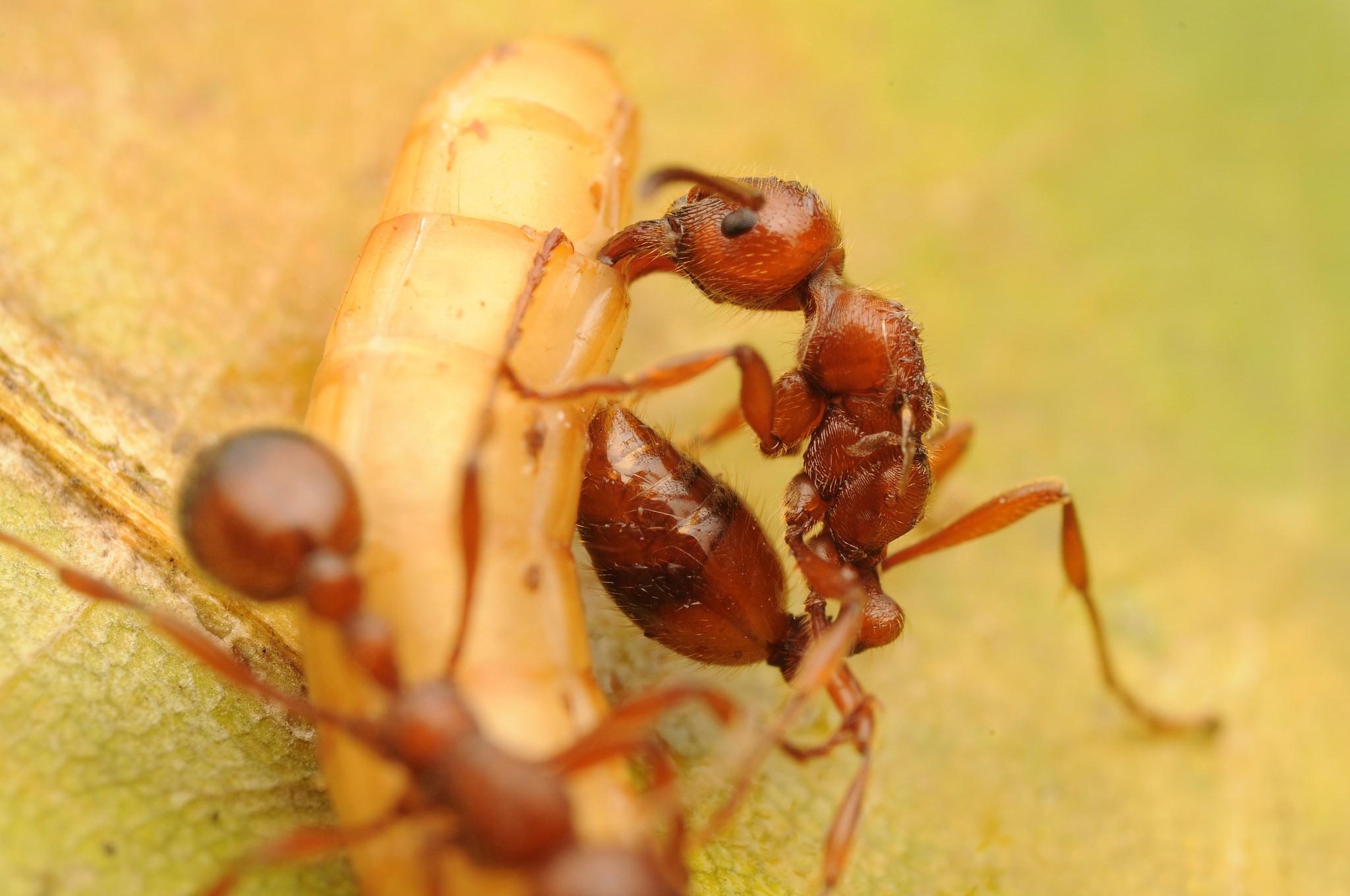

Manica rubida – Colony with queen and workers
Manica rubida and a giant red ant
You'll love it:
- ❤️ Similar to red ants (Myrmica rubra) but twice the size
- ❤️ Excellent venomous hunter with a paralyzing sting
- ❤️ Safe for humans
- ❤️ Rare, active, colorful species, very pleasant to raise
Description
Manica rubida and our Ant Charter:
1. Approved breeding by the Veterinary Services, conducted by a specialist with a certificate of competence,
2. Free Guide to the Perfect Ant Keeper and health record provided,
3. Ants guaranteed parasite-free,
4. Health demonstrated by the queen laying eggs and the presence of brood upon shipment,
5. No "boost" (addition of brood or external workers to sell colonies faster),
6. Guaranteed delivery in good health: partial refund in case of worker loss, full refund in case of queen loss (if delivered within 48 hours),
7. Shipping possible from -12°C to +40°C thanks to our optional insulated packaging,
8. Species present in France, non-invasive and not threatened,
and costs covered if you wish to dispose of it (see conditions).
Description of the Manica rubida species:
Manica rubida is a rarely raised species found in the mountains and countryside of Europe, yet highly valued and sought after for its large size (up to 8mm for workers and 9 to 13mm for queens) as well as for its colouring which varies from orange for young workers to darker red.
Aggressive, Manica rubida defends its immediate environment and hunts using its stinger, although it may take about 30 seconds to prepare its sting. The sting is painful but harmless to humans. Manica rubida feeds on sugary liquids, honeydew from aphids and small insects.
Development is slow, but compensated by the size of the workers, which allows us to appreciate the activity of this species.
A Manica rubida nest contains up to 1000 workers and one to several queens (depending on the source).
Fourmiculture recommends:
– A medium to high humidity level,
– A long, cold hibernation period (without neglecting humidity and with a good food supply before hibernation, then during hibernation with a slight increase in temperature to allow for feeding). Approximately 3 months at 8 to 12°C is recommended.
– A basking spot of 26 to 27°C during the day outside of hibernation in a section of the nest, and 19 to 24°C at night.
– Regular feeding, several times a week, of fresh insects, sugary liquids, jellies, fruit, pollen, meat, etc.
Photo 1: Anstore. Other photos: All rights reserved to Michal Kukla.
Additional information
| Weight | 0.1 kg |
|---|---|
| Number of female workers | 1 Queen + 1 to 4 workers , 1 Queen + 11 to 25 workers , 1 Queen + 26 to 50 workers , 1 Queen + 5 to 10 workers |
| Young colony feeding area | Tube + Plexiglas feeding area, Tube with ants only |