Odontomachus monticola – Trap-mandible ants
Large Asian Trap-Mandibulary Ants: Odontomachus monticola
You'll love it:
- ❤️ An enormous species, the most impressive to observe,
- ❤️ Exceptional hunting behavior with good vision,
- ❤️ Trapping mandibles that open 180° and close in a flash,
- ❤️ Capable of jumping backwards by slamming its jaws on the ground,
- ❤️ Accepts a 100% protein jelly diet, therefore easy to raise
- ❤️ Free delivery and guaranteed safe delivery by courier within 24 hours (for purchases over €200 within the European Union)
Description
Discover the Asian Trap-Mandibula Ants: Odontomachus monticola
Species presentation: Odontomachus monticola
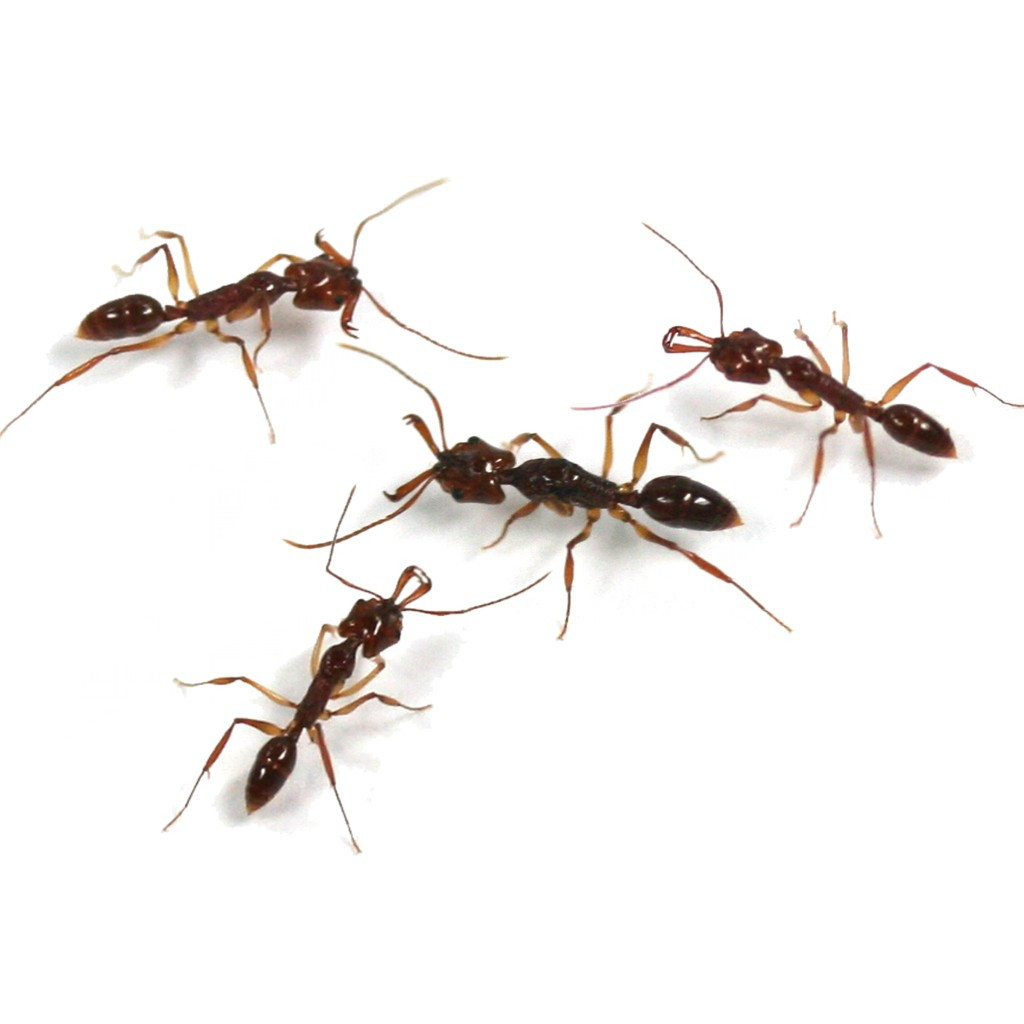
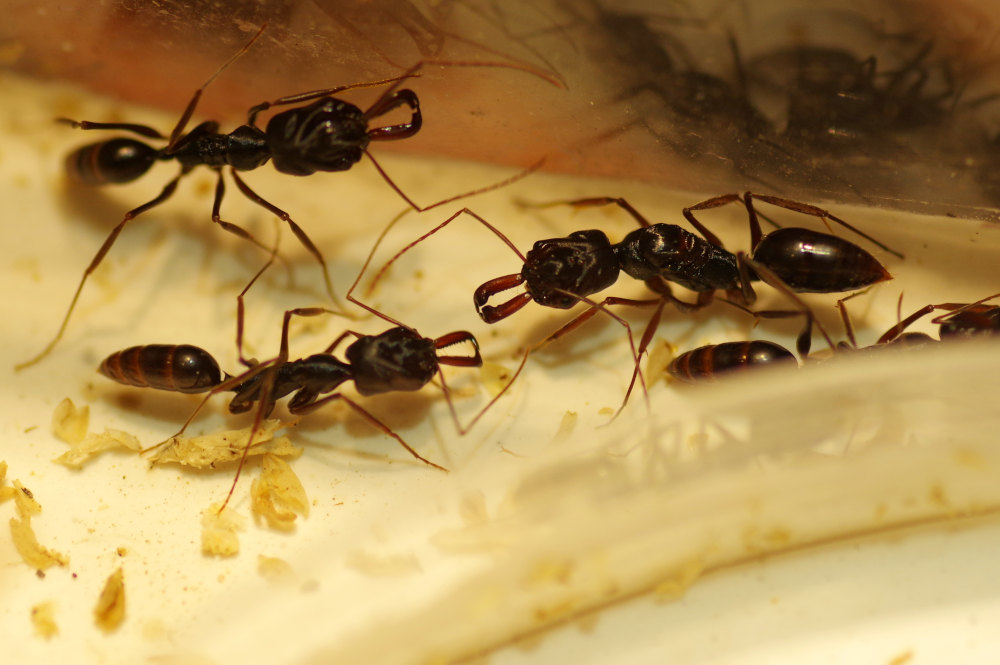
Odontomachus ants are the famous Asian trap-mandible ants capable of opening their mandibles 180° and snapping them shut on their prey with incredible speed. This is one of the fastest movements in the animal kingdom. Adapted to hunting small insects like springtails, this species behaves like a true hunting dog, meticulously patrolling its territory until it spots its next meal. It then approaches cautiously, so slowly that its prey remains unaware of its presence, before snapping its mandibles shut with lightning speed. Once stunned, it carries its prey back to the nest to consume it. If necessary, Odontomachus possesses a stinger and can sting to paralyze its prey, which is, however, harmless to humans.
Native to the tropical and subtropical regions of Asia, this species is particularly well-suited to hot and humid climates. Easier to feed than one might think, it loves Fourmicultureprotein jellies, organic honey, and small insects in most cases. According to some breeders, it sometimes refuses sugary foods and focuses solely on insects. So far, the protein flan we prepare has been very successful.
The genus Odontomachus is generally small, so we offer O. monticola, which are among the largest, for more enjoyable observations. Its development is rather slow, but the observations it provides, even with a small number of workers, ensure hours of fascinating observation. We only have monogynous colonies and are not aware of the common presence of polygynous colonies.
Advice on breeding Odontomachus:
This species prefers to live in a modestly sized nest with high humidity. A foraging area with some humidity and a natural setting will be ideal for stimulating its hunting behavior. We recommend incorporating a damp concrete nest into a topical terrarium. Avoid using too much decorative substrate, as the ants could dig into it to establish their nest.
For a simple and balanced diet, opt for Fourmicultureprotein flans, and possibly small insects (springtails available online, micro crickets, fruit flies). Organic fruit and honey are also appreciated.
Main features:
- Worker size: Approximately 8-12 mm.
- Queen size: Approximately 12mm maximum. Morphology similar to the workers.
- Diet: Small insects, protein flan, nectar, fruit, honey.
- Difficulty level: Intermediate to advanced. This species requires a stable environment in terms of temperature and humidity.
- Nest type: Damp concrete nest with tropical hunting area.
Recommended living conditions:
- Temperature: Between 26°C and 28°C during the day, between 20°C and 24°C at night.
- Humidity: The majority of the nest should have high humidity, preferably the hunting area as well.
- Wintering: No diapause, but a break in heating for 6 weeks may possibly be beneficial.
Key features:
- Impressive hunting: The workers are true predators with extraordinary mandibles.
- Respectable size: This is one of the largest Odontomachus.
Ethical commitment and quality:
At Fourmiculture, we place paramount importance on the well-being of our colonies. Our Odontomachus ants are imported by direct flight, a method that significantly reduces stress and mortality associated with shipping by parcel.
After their arrival, they are acclimatized in our facilities, under perfectly controlled climatic conditions, to guarantee their stability and health. This approach allows us to offer robust and well-developed colonies.
Express delivery is mandatory! Whether you choose this option or not, we will always ship this species via express delivery within France at no extra charge for its well-being. For the rest of the world, please select the fastest available carrier.
To be considered invasive, a species must meet 4 criteria: 1/ Introduction: a species arrives in a territory where it is not native 2/ Acclimation: the species survives in its new territory 3/ Naturalization: the species reproduces in its new territory 4/ Expansion: the species colonizes this territory and spreads, to the detriment of local species which it will supplant or even totally eradicate.
In our opinion, this species has no invasive potential due to its fragility to cold, its low maximum population with a limited number of queens and limited growth.
Additional information
| Number of female workers | 1 Queen + 1 to 4 workers, 1 Queen + 11 to 25 workers, 1 Queen + 5 to 10 workers |
|---|